
LOCATION
GLBT Historical Society Museum
4127 18th Street
San Francisco, CA 94114
ADMISSION
$15 admission; Free for GLBT Historical Society Members
RSVP and reserve your tickets here
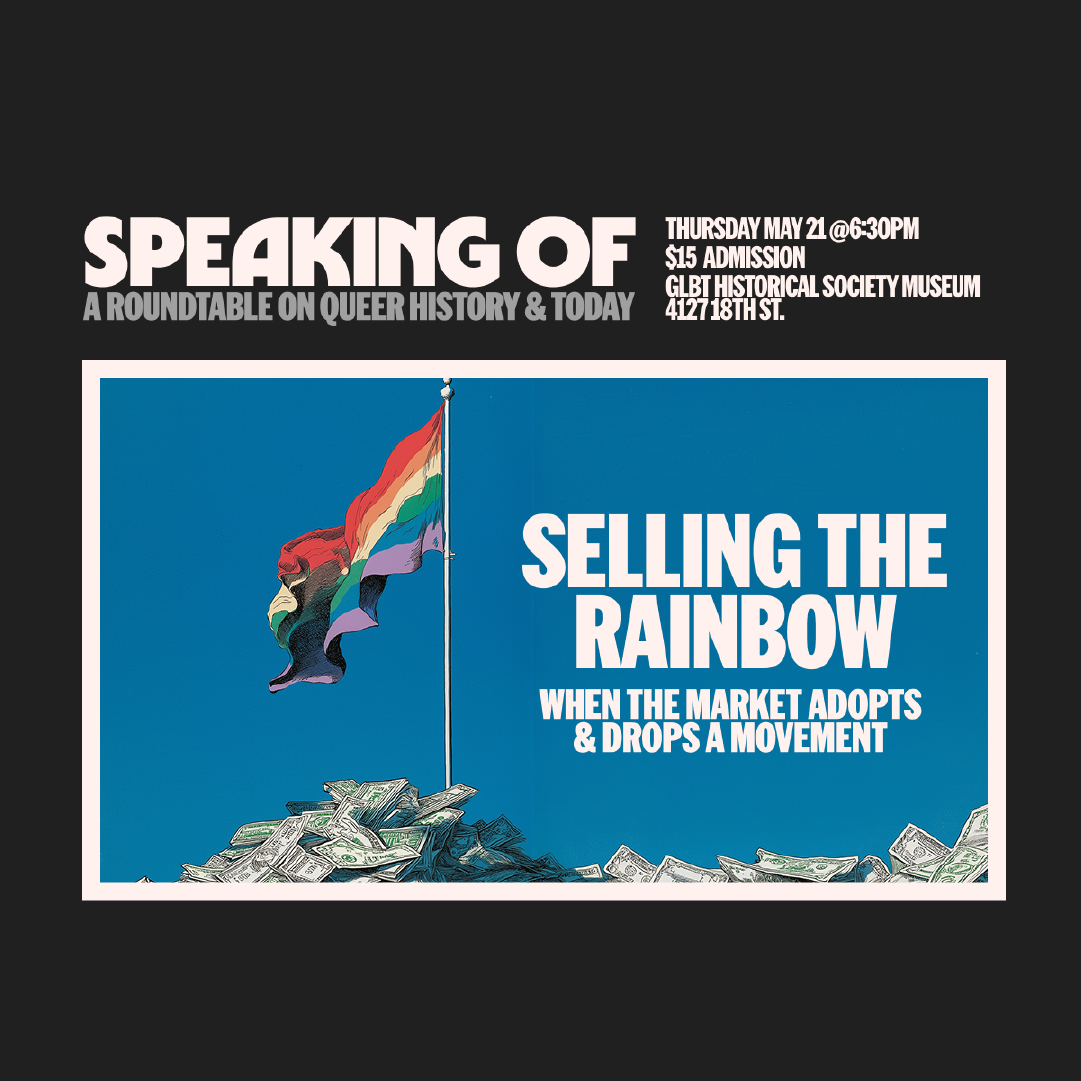
Pride started as a protest. The first march in San Francisco was explicitly political — a direct response to police violence and state persecution. Fifty years later, it had floats sponsored by banks, tech companies, and beer brands. For a long time, corporate adoption felt like victory, proof that queer identity had gone mainstream. In recent years, however, the climate has shifted: our community has come under renewed attack across the country, and many companies have retreated from their embrace of the rainbow.
Join Unspeakable Vice's Shawn Sprockett, along with Suzanne Ford (Executive Director of SF Pride), Elizabeth Hudy (Founder of The Peach Fuzz), Laura Thomas (Senior Director at the San Francisco AIDS Foundation & Society Board Member), and Joe Hawkins (CEO and Co-Founder of Oakland LGBTQ Community Center & Co-Founder of Oakland Pride), for an in-conversation event at the GLBT Historical Society Museum, to ask the question activists have been raising since the 1970s: what does it mean when your liberation becomes a marketing strategy?
This panel traces the tension between assimilation and resistance that has defined queer politics from the beginning, and asks whether the corporate retreat is a crisis, or an opportunity to remember what Pride was actually for.
Speakers

MODERATOR: Shawn Sprockett (he/him) is an Adjunct Professor at the California College of Arts in the graduate Interaction Design program, where he teaches visual design and creative thinking. He started developing Unspeakable Vice, a volunteer-based queer history walking tour project, in 2018. The project explores lesser known stories of LGBTQ San Francisco, particularly the influence of People of Color and women in the development of queer culture and activism.
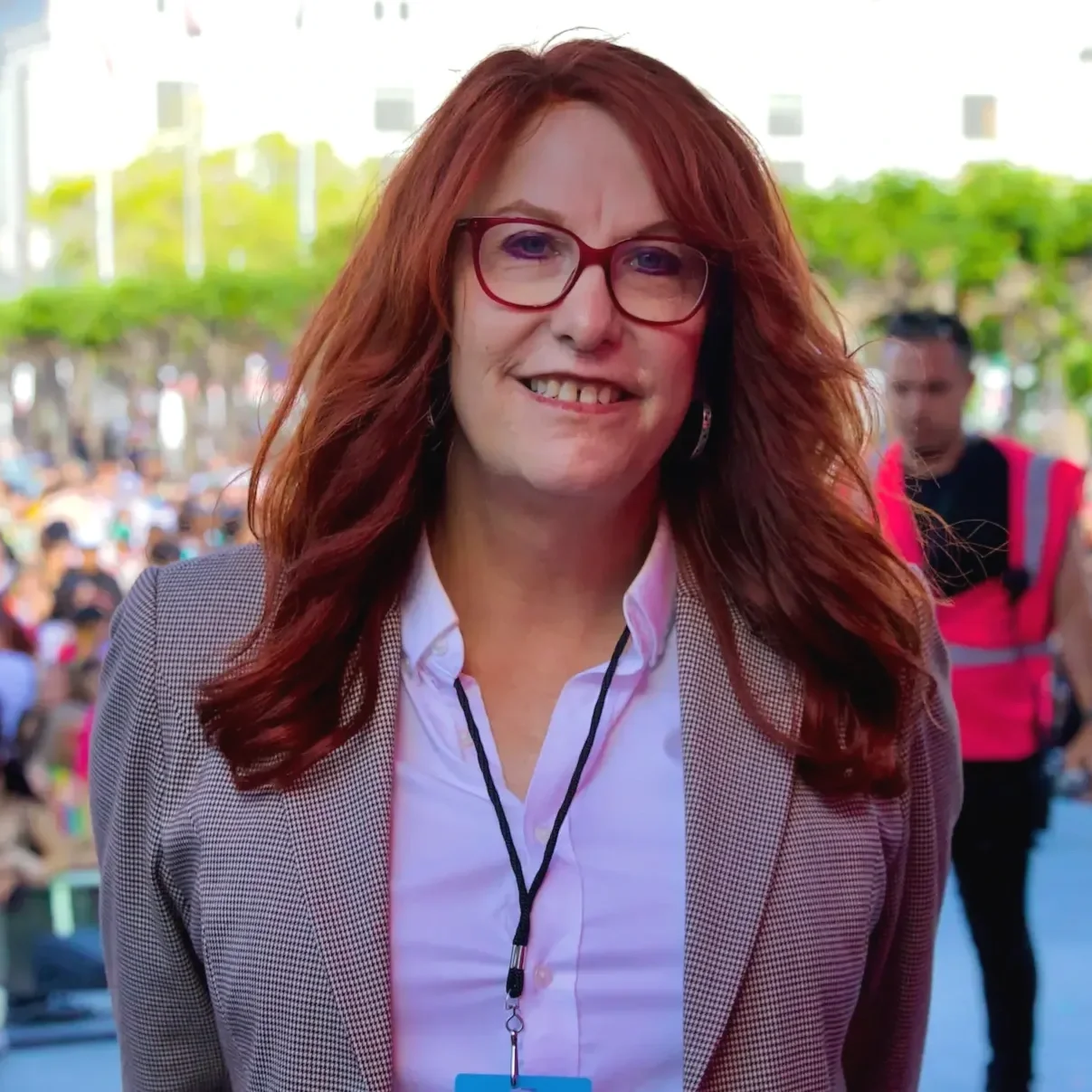
Suzanne Ford (she/her) is the Executive Director of SF Pride. The first trans woman to hold the office, she is a fierce activist working toward equal rights for the trans community. She is a founding member of the SF Pride Golf Tournament, the first and only PGA-endorsed event ensuring queer visibility in one of the most cis-heteronormative spaces in the world– as well as SF Pride’s most lucrative board-led annual fundraiser to date. Suzanne has also served as President of the board of the Spahr Center in Marin County and as a board member, Vice President, and Treasurer of SF Pride. Originally from Kentucky, she graduated with honors with a BA in History from Murray State University. She then attended Howard Law School. She was employed as a Regional Sales Manager at Revere Packaging for over 11 years, and was named by Plastic News as one of Women Breaking the Mold in the Packaging Industry in 2017. The Trans Day of Visibility Committee of San Francisco recognized her with the Legacy Award in 2022. Suzanne was chosen for the prestigious Horizons’ Foundation Leadership Award in 2024. Suzanne recently moved to the iconic Castro neighborhood and is available to speak to groups or employers about trans issues and her experience facing the world as a trans woman.
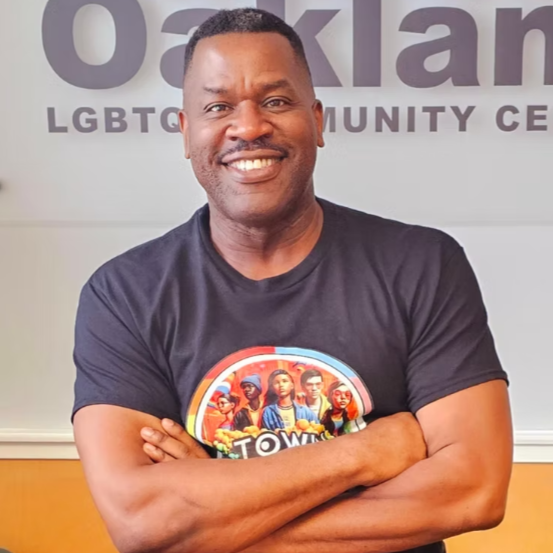
Joe Hawkins (he/him) is a noted community organizer, LGBTQ advocate, non-profit executive, event producer, and social entrepreneur. Joe first came to national prominence as one of the first gay men to ever appear as a guest on the iconic Oprah Winfrey talk show during the early 90's, defending his right to parent his son as an out gay man. He was one of the many early HIV/AIDS activist and appeared on numerous talk shows to include Geraldo Rivera and the PBS documentary series Frontline, to highlight the often overlooked, intersectional issues experienced by Black LGBTQ people, to a national audience.
Among his many accomplishments, Joe is a co-founder and former co-chair of Oakland Pride and was voted Grand Marshall of both the San Francisco and Oakland Pride Parades. He worked as a founding program member and CEO of OpNet Community Ventures, one of America's first high-tech training programs, launched in 1995, for low income youth and youth of color in San Francisco. Joe served as Regional Director for Innovative Housing, a shared housing non-profit for low income families and individuals in Marin County. He worked as the Director of Administration at AIDS Project of the East Bay (APEB), served on the Ryan White Planning Council and was a founding organizer of the East Bay AIDS Walk. Joe also created California’s largest and longest running Black LGBTQ Film Festival and produced California’s longest running LGBTQ Hip-Hop event that lasted 25 years. He produces Blatino Oasis, California’s largest and longest running gay and bisexual men of color getaway retreat, held annually in Palm Springs, California.
In 2017, Joe co-founded and is the CEO of the Oakland LGBTQ Community Center, Oakland's first all inclusive, intergenerational, LGBTQ+ service center and a new model for service provision in Oakland.

Photo by Jessi Chapman
Elizabeth Hudy (she/her) is a queer leftist artist and business owner creating playfully enraged propaganda rooted in community building, radical empathy, and maximalism. Since starting The Peach Fuzz in 2017, she has raised over $300k for mutual aid/nonprofits, and provided dozens of free resources for fellow small business owners. In early 2023, Elizabeth was brought on to be a featured artist for the 2024 Target Pride collection. After the right-wing tizzy over their 2023 collection, Target abandoned the artists and massively scaled back on all future pride collaborations, demonstrating just how shallow corporate support for the LGBTQ community is.
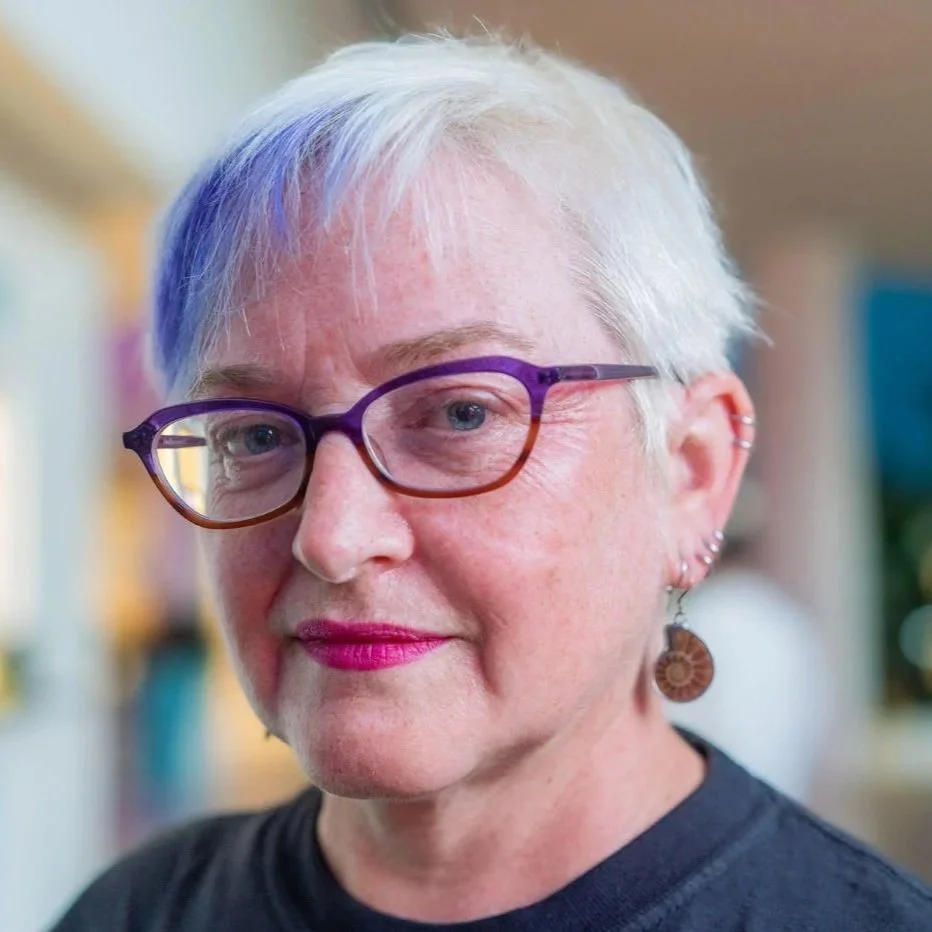
Photo by Nigel Brundson
Laura Thomas (she/her) is a queer femme living in the Mission with her three cats. She works as the Senior Director of HIV & Harm Reduction Policy for the San Francisco AIDS Foundation where she leads state and local policy advocacy. She has been advocating on HIV and public health issues for over 30 years, since becoming involved in AIDS activism through ACT UP in San Francisco. She has served in the public health seat on the San Francisco Entertainment Commission since 2016. She previously worked at the Drug Policy Alliance, community-based organizations in San Francisco, and the San Francisco Department of Public Health. She’s a former two-term co-president of the Harvey Milk LGBTQ Democratic Club and was a founding organizer of the SF Dyke March. She is proud to sit on the GLBT Historical Society Board of Directors. She graduated from the University of California, Berkeley with a Masters in Public Health and a Masters in Public Policy.
Members Perks
Interested in becoming a member of the GLBT Historical Society? Members enjoy all sorts of perks, including free access to this event. Learn more.
About the series
Speaking Of is a program series curated and hosted as a collaboration between the GLBT Historical Society and Unspeakable Vice walking tours. History can be a powerful way for queer individuals to connect with their community and find a sense of belonging. But history often raises as many questions as it answers. From daily visitors to the museum to guests on Unspeakable Vice’s historical walking tours, many San Francisco residents and visitors to the city alike continue to ask significant questions about the history of San Francisco’s queer communities and legacy, and how things have changed: why are gay bars disappearing? Is queer activism fading in San Francisco? Is the Castro still a destination for queer people? This quarterly panel series invites community members to answer today’s questions as framed and moderated by historians and researchers through a variety of topics.